The Agent Who Knew Your Family Better Than Your Bank: When Insurance Came With a Handshake and Coffee
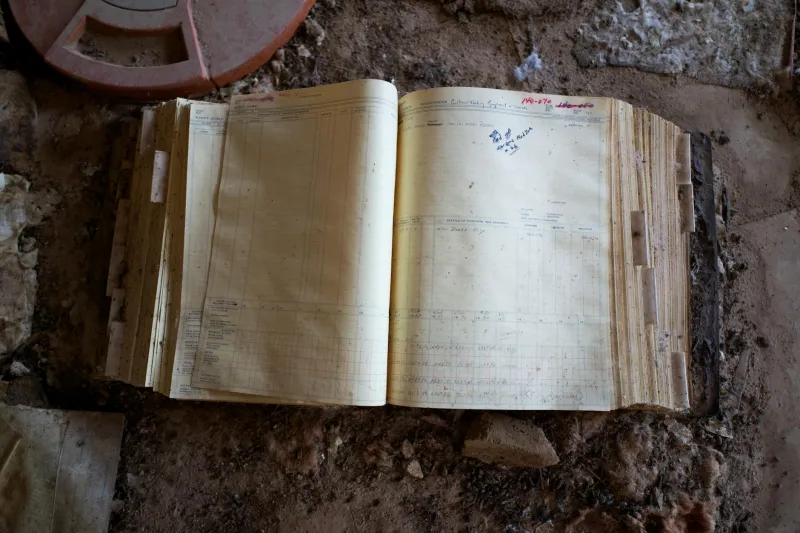
The Man with the Leather Satchel
Every Tuesday afternoon, Harold Jenkins would knock on the Kowalski family's door in Cleveland, carrying a worn leather satchel and a genuine interest in how their week had gone. As their Prudential agent for over twenty years, Harold knew that little Tommy had started kindergarten, that Mrs. Kowalski's arthritis flared up in damp weather, and that Mr. Kowalski had just gotten a small raise at the steel mill.
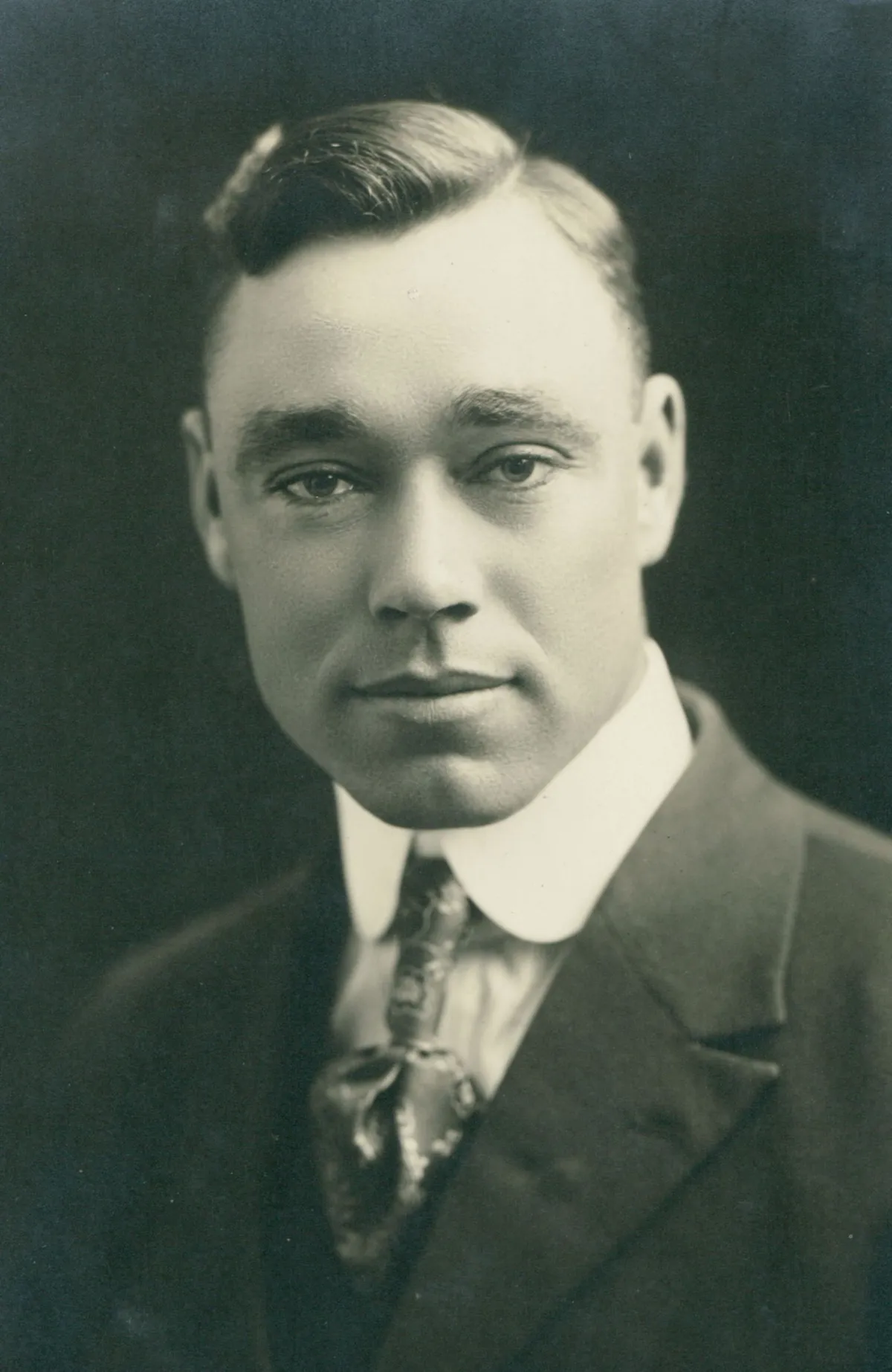 Photo: Harold Jenkins, via content.churchofjesuschrist.org
This wasn't exceptional customer service—this was how insurance worked in America for most of the twentieth century. Your agent was part financial advisor, part family friend, and part neighborhood fixture. He sold policies based on handshakes, paid claims based on trust, and built his business one kitchen table conversation at a time.
Today, that world seems almost fictional. Most Americans buy insurance online, interact with chatbots when they have questions, and file claims through smartphone apps. We've gained efficiency and convenience, but we've lost something profound: the human element that once made insurance feel like community protection rather than corporate transaction.
When Your Agent Lived in Your Neighborhood
Insurance agents in the 1940s and 1950s were local businessmen who lived in the communities they served. They attended the same churches as their clients, shopped at the same stores, and sent their kids to the same schools. This wasn't just good business—it was how the entire system worked.
An agent's reputation was his most valuable asset. If Harold Jenkins sold a bad policy to the Kowalskis, word would spread through the neighborhood faster than gossip at the grocery store. His livelihood depended on treating every family fairly, which meant he had a vested interest in finding coverage that actually served their needs.
Policies were written in plain English, often on a single page. The agent would sit at your dining room table, explain every clause in simple terms, and answer questions until you felt comfortable. There were no hidden fees, no fine print designed by lawyers to confuse customers, and no pressure to buy coverage you didn't understand.
The Ledger Book That Held Your Life Story
Every agent carried a handwritten ledger that read like a neighborhood novel. Harold's book might note that the Kowalskis needed to increase their life insurance because they were expecting their third child, that the O'Briens were thinking about buying a car and would need auto coverage, and that old Mr. Petrov was worried about his wife's health.
These weren't just business records—they were relationship maps that helped agents serve their communities better. When the Kowalski house caught fire in 1952, Harold didn't need to look up policy numbers or call a claims department. He knew exactly what coverage they had because he'd helped them choose it, and he handled their claim personally because their tragedy was his responsibility.
This personal knowledge extended beyond individual families. Agents understood the economic rhythms of their neighborhoods. They knew when the factory workers got their annual raises, when school teachers received their summer paychecks, and when farmers needed to adjust their coverage for seasonal changes.
Premium Collection as Social Institution
Most families paid their insurance premiums weekly or monthly, in cash, directly to their agent. This wasn't just a payment system—it was a social institution that kept agents connected to their clients' changing circumstances.
During these regular visits, agents would notice if a family seemed to be struggling financially, if someone appeared to be in poor health, or if their living situation had changed. They could adjust coverage accordingly, offer payment plans during tough times, or suggest additional protection when families were doing well.
The weekly premium collection also served as an early warning system for the insurance company. If several families in a neighborhood were having trouble making payments, it might signal broader economic problems that could affect claims rates. This human intelligence network helped companies price policies more accurately than any actuarial table.
When Claims Were Conversations, Not Case Numbers
Filing an insurance claim in 1955 meant calling your agent, who would often come to your house the same day to assess the situation personally. There were no phone trees, no claim numbers, and no lengthy forms to fill out. Your agent knew your policy details by heart because he'd helped you choose them.
This personal approach meant claims were resolved faster and with more common sense. If Harold Jenkins said the Kowalski family's claim was legitimate, his company trusted his judgment. He'd staked his reputation on their honesty for years, so his word carried weight that no algorithm could match.
The agent also served as an advocate for his clients within the insurance company. If a claim was denied or underpaid, families had someone with inside knowledge fighting on their behalf. Harold's success depended on keeping his clients satisfied, so he had every incentive to ensure they received fair treatment.
The Digital Revolution Changes Everything
The transformation began in the 1980s with computerized underwriting and accelerated through the internet age. Insurance companies discovered they could eliminate agents, reduce overhead, and increase profits by moving everything online. What they didn't anticipate was how much they would lose in the process.
Today's insurance is driven by data rather than relationships. Algorithms analyze credit scores, driving records, and purchasing patterns to determine coverage and pricing. The process is faster and often cheaper, but it's also impersonal and frequently incomprehensible to the people buying the policies.
Modern insurance customers often don't understand what they've purchased until they need to use it. Online policies are filled with legal language that requires a law degree to decipher, and customer service means talking to representatives who've never heard of you and may be working from another continent.
What We Lost When Harold Retired
The efficiency gains of modern insurance are undeniable, but the human costs are significant. We've lost the advocate who fought for fair claims, the advisor who understood our actual needs, and the neighbor who cared about our family's financial security.
More importantly, we've lost the trust that came from dealing with someone whose reputation was tied to our satisfaction. Today's insurance companies are accountable to shareholders rather than neighbors, and the difference shows in how they treat their customers.
The old system wasn't perfect—it could be slow and sometimes paternalistic. But it was built on relationships rather than algorithms, and those relationships created accountability that no customer service survey can replicate.
The Price of Progress
As we click through online insurance portals and chat with AI assistants, it's worth remembering what we traded away. Harold Jenkins and thousands of agents like him weren't just selling policies—they were building a safety net for their communities, one conversation at a time.
Their leather satchels and handwritten ledgers may seem quaint now, but they represented something valuable: the idea that insurance should be about people protecting people, not corporations managing risk. That's a lesson worth remembering, even if we can't turn back the clock.