Before Amazon Prime: When America's Doorstep Was the Original Delivery Hub
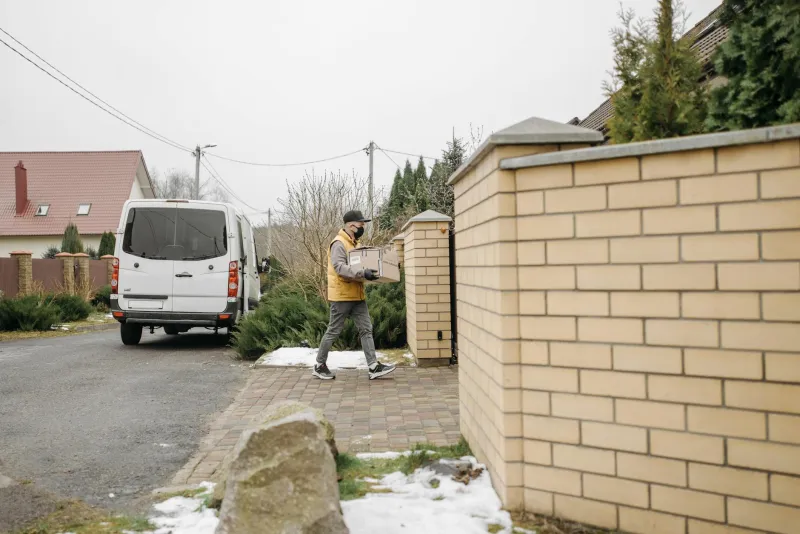
The Daily Parade of Delivery Trucks
Every morning before dawn, America's neighborhoods came alive with the gentle rumble of delivery trucks. The milkman's bottles clinked softly on front porches. The ice truck's bell announced its arrival to housewives rushing out with their ice cards. The bread man's warm loaves filled entire blocks with the smell of fresh bakery goods. This wasn't a luxury service for the wealthy—it was simply how Americans lived.
From the 1920s through the 1950s, home delivery wasn't just common; it was the backbone of how families fed themselves. Nearly every household in urban and suburban America participated in what we'd now call the "delivery economy," except it cost less, arrived more reliably, and came with a personal touch that no app can replicate.
The Milkman's Route: More Than Just Dairy
The milkman wasn't just delivering milk—he was running a mobile convenience store. Glass bottles of milk, cream, butter, eggs, and even orange juice appeared on doorsteps like clockwork. Families left empty bottles outside with notes tucked under them: "Please leave two quarts of milk and a dozen eggs today." Some milkmen expanded their routes to include cheese, cottage cheese, and even ice cream for special occasions.
What made this system work wasn't just convenience—it was trust. Milkmen had keys to customers' homes, knew their vacation schedules, and often left deliveries in kitchen iceboxes when families weren't home. They collected payments weekly, kept mental tabs of what each family preferred, and adjusted orders based on seasons and special events.
The relationship was so embedded in American culture that milkmen became neighborhood fixtures. They knew which families had new babies (extra milk), who was hosting dinner parties (more cream), and which households were struggling financially (flexible payment terms). This wasn't just commerce—it was community.
Ice: The Original Cold Chain
Before electric refrigerators became standard, ice delivery was as essential as electricity. Ice trucks rolled through neighborhoods several times a week, with drivers hauling 25, 50, or 100-pound blocks directly into homes using massive tongs and leather shoulder pads.
Housewives displayed ice cards in their windows—printed signs showing "25," "50," or "100" to indicate how many pounds they needed. The iceman would see the card, grab the appropriate block, and carry it through the house to the icebox, often chatting with families about the weather, neighborhood news, or upcoming events.
Children followed ice trucks like modern kids chase food trucks, begging for ice chips on hot summer days. The ice delivery wasn't just functional—it was a social event that connected neighbors and created shared experiences across entire communities.
The Bread Route and Beyond
Bread delivery expanded far beyond just loaves. Bakery trucks carried fresh rolls, pastries, cakes, and seasonal specialties. Some routes included dry goods like soap, cleaning supplies, and household necessities. The Fuller Brush man became legendary for door-to-door sales of cleaning products, while other specialists delivered everything from fresh produce to household linens.
These delivery services operated on incredibly thin margins but massive volume. A single milkman might serve 400-500 households. Bread routes covered entire neighborhoods daily. Ice delivery required multiple trips per week to the same customers. The efficiency came from predictability—families ordered the same basics week after week, with occasional variations.
What Killed the Doorstep Economy
Three major changes dismantled this system almost overnight. First, electric refrigerators eliminated the need for ice delivery and allowed families to store perishables longer. Second, the rise of suburban car culture made weekly grocery shopping trips convenient and economical. Third, supermarkets offered lower prices by cutting out the delivery markup and labor costs.
By the 1960s, most home delivery services had disappeared. The last milkmen served rural routes into the 1970s, but the era of daily doorstep deliveries was essentially over. What had been a $3 billion industry (in 1950s dollars) vanished in less than two decades.
The Digital Reinvention
Today's delivery revolution isn't actually revolutionary—it's nostalgic. When DoorDash promises food "delivered to your door," when Instacart brings groceries to your kitchen, when Amazon Fresh delivers milk and eggs overnight, they're recreating services that existed for generations.
The difference is scale and cost. What once required personal relationships with multiple delivery people now happens through apps and algorithms. What used to cost pennies in markup now includes delivery fees, service charges, and tips that can double the price of basic goods.
Modern delivery promises convenience, but the old system delivered something more valuable: community connection. The milkman knew your family's preferences. The bread man remembered your kids' birthdays. The iceman checked on elderly neighbors during heat waves.
The Price of Progress
We gained efficiency and choice, but lost the daily human connections that made neighborhoods feel like communities. Today's delivery drivers are gig workers racing between stops, not neighbors who've served the same families for decades.
The irony is striking: we're paying premium prices for services our grandparents considered basic utilities. We're celebrating as innovation what was once simply how America worked. The next time you tap "order now" on your phone, remember that your great-grandmother never needed an app to get fresh milk delivered to her door—she just put out the empty bottles and left a note.
Sometimes progress means getting back to where we started, just with better technology and higher prices.