Before Google, There Was Gladys: When Your Librarian Was America's Original Search Engine
Before Google, There Was Gladys: When Your Librarian Was America's Original Search Engine
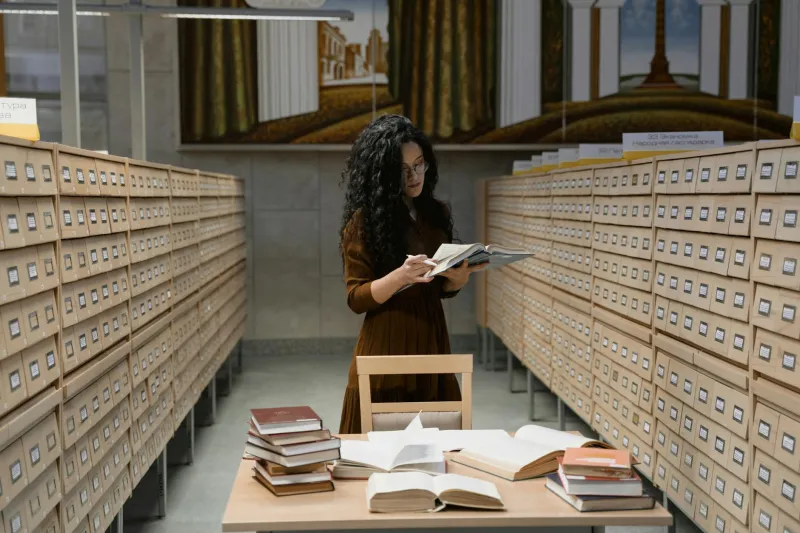
In 1975, if you needed to know how to fix a carburetor, settle a dinner table argument about the height of Mount Everest, or research colleges for your high school senior, you had one reliable option: walk into your local library and ask Gladys.
 Photo: Mount Everest, via i.redd.it
Gladys—or Margaret, or Dorothy, or whatever your town librarian's name happened to be—wasn't just someone who stamped due dates on books. She was America's original search engine, a human algorithm who could navigate the Dewey Decimal System faster than most people today can type a Google query.
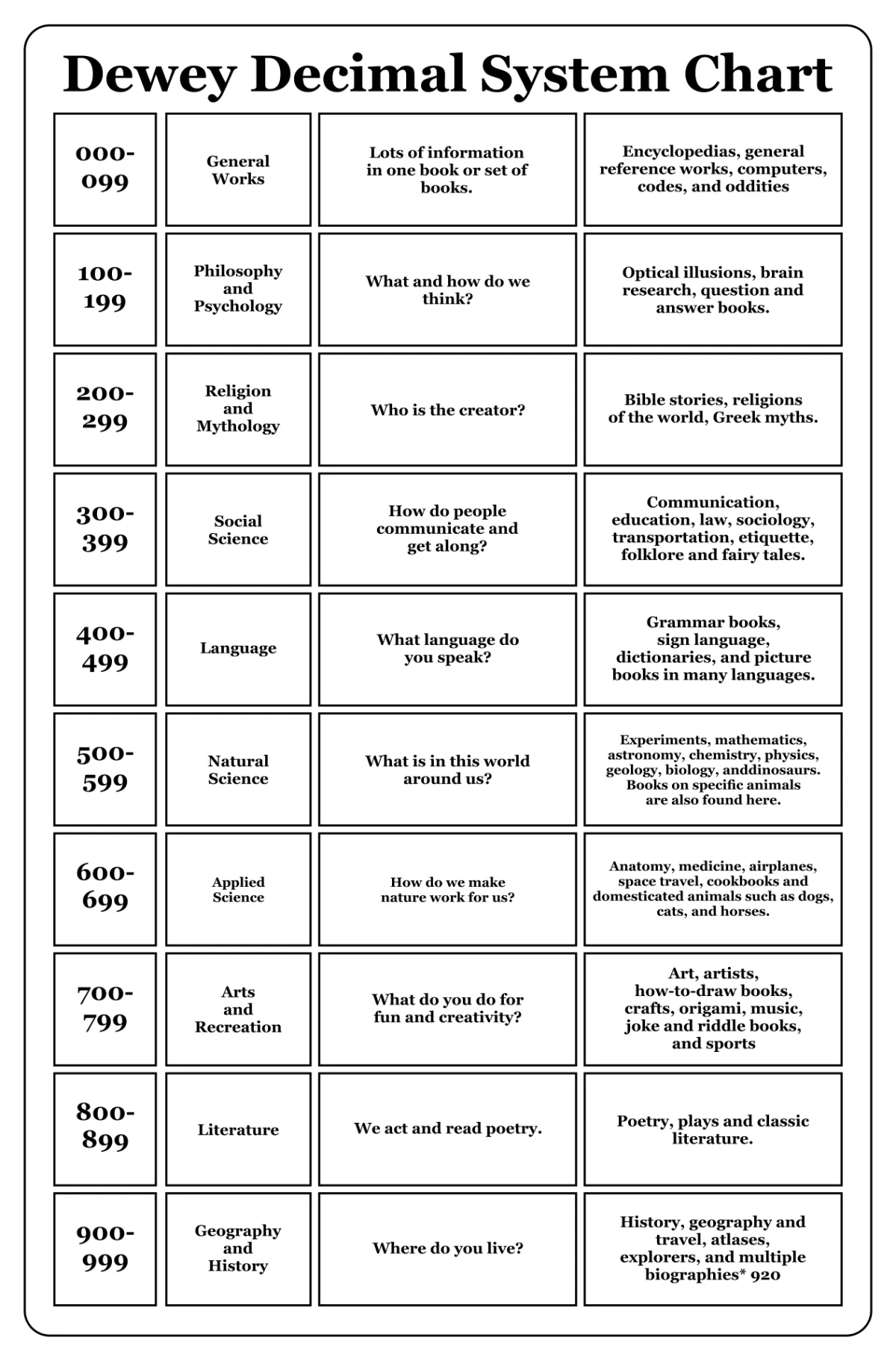 Photo: Dewey Decimal System, via www.printablee.com
The Reference Desk Was Mission Control
Walk into any American library in the 1960s or 70s, and you'd find something that's almost extinct today: a bustling reference desk surrounded by people with real questions that needed real answers. The librarian behind that desk wasn't just checking out romance novels and shushing teenagers. She was fielding everything from "What's the capital of Montana?" to "How do I apply for a small business loan?"
These weren't casual inquiries either. Before the internet turned every random thought into an instantly searchable question, people saved up their curiosities. They arrived at the library with lists. Serious lists. And librarians treated every question—no matter how simple or complex—like a research project worth solving.
The tools were analog but incredibly sophisticated. Card catalogs stretched across entire walls, filled with millions of hand-typed entries cross-referenced in ways that would make today's database designers weep with envy. The Reader's Guide to Periodical Literature could help you find a magazine article from 1962 about suburban lawn care or civil rights protests with equal precision.
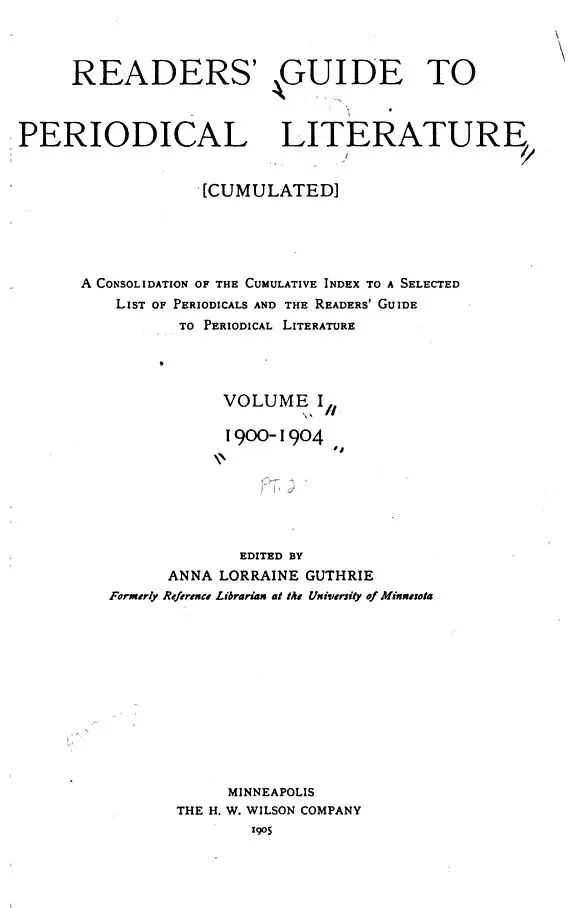 Photo: Reader's Guide to Periodical Literature, via i.pinimg.com
The Library Was America's Living Room
But information was just part of the story. The public library served as something we've almost completely lost: a genuine community living room where economic status didn't determine your welcome mat.
On any given afternoon, you'd find construction workers reading newspapers during lunch breaks, retirees working on genealogy projects, mothers with strollers browsing parenting books while their toddlers played in the children's section, and teenagers doing homework at long wooden tables. The library was where different generations and social classes actually mixed, naturally and regularly.
Libraries hosted everything from book clubs to citizenship classes, from story time to tax preparation workshops. They were polling places during elections, community meeting spaces for local organizations, and safe havens for anyone who needed a quiet, climate-controlled place to think, read, or simply exist without being expected to buy something.
When Librarians Were Local Celebrities
The head librarian in most American towns held a position of genuine respect and influence. These were often among the most educated people in the community—frequently the only women with college degrees in smaller towns. They knew which books were flying off the shelves, which topics people were curious about, and often served as informal counselors for everything from career changes to family troubles.
Parents trusted librarians to recommend books for their children. Students knew they could get help with research projects that would actually impress their teachers. Adults relied on librarians to help them navigate everything from consumer reports to medical information, back when "doing your own research" required actual expertise in finding and evaluating sources.
The Slow Death of the Community Hub
Today's libraries aren't dead, but they're shadows of their former selves. Budget cuts have reduced hours, staff, and services. Many have transformed into computer centers, filled with people using free internet rather than browsing books. The reference desk, if it exists at all, handles more questions about printer troubleshooting than historical research.
The shift happened gradually. First, encyclopedias went digital. Then newspapers moved online. Research databases became available from home. Google made it possible to get instant answers to questions that once required a trip to the library and a conversation with a human expert.
What we gained in convenience, we lost in community. The library was one of the last places where learning was a social activity, where seeking knowledge meant interacting with other curious people and expert guides who could point you toward information you didn't even know you were looking for.
What We Lost When We Stopped Asking Gladys
The death of the library as community hub represents something larger than just a shift in how we find information. It's the loss of shared public spaces where knowledge was a collective resource rather than an individual commodity.
When you asked Gladys a question, you often got more than just an answer—you got context, related resources, and sometimes a conversation that led you down unexpected paths of discovery. Google gives you exactly what you search for, but it can't replicate the serendipity of browsing shelves or the wisdom of someone who's spent decades helping people find what they actually need rather than just what they think they want.
The library card was indeed a passport to everything—not just books and information, but to a kind of civic engagement and community connection that's become increasingly rare in American life. In losing our libraries as living, breathing community centers, we didn't just change how we access information. We changed how we access each other.