The Fever That Used to Mean Freedom: How Getting Sick Became America's Biggest Workplace Guilt Trip
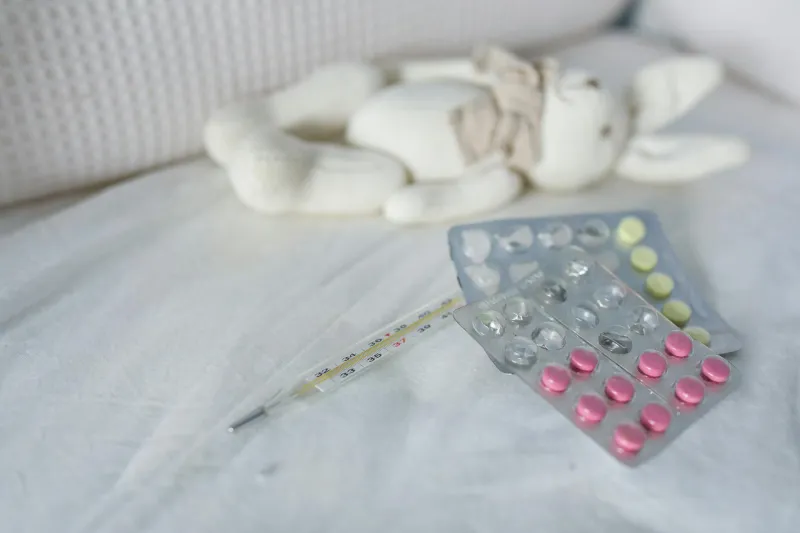
When Thermometers Meant Time Off
Picture this: It's 1975, and you wake up with that familiar scratch in your throat and the telltale body aches of an incoming cold. You call your boss—actually call, on a rotary phone—mumble something about feeling under the weather, and that's it. No follow-up emails, no "I'll try to check messages," no logging into anything from your sickbed. You're sick, so you rest. Period.
Fast-forward to today, and that same scenario plays out very differently. The throat scratch hits, but instead of reaching for the phone, you're calculating: Can I make it through that 10 AM Zoom? Should I reschedule the client call or just turn off my camera? Maybe I can work from bed with my laptop propped up on a pillow.
Somewhere between then and now, America forgot how to be sick.
The Golden Age of Guilt-Free Germs
In the pre-digital workplace, being sick was remarkably straightforward. Your presence was either required or it wasn't—there was no middle ground of "present but compromised." Office workers stayed home with fevers because there wasn't really an alternative. Remote work meant the occasional phone call from your landline, if absolutely necessary.
Back then, sick days were built into the social contract. Employers expected them, coworkers covered for each other, and nobody questioned whether your sniffles were "serious enough" to warrant staying home. The prevailing wisdom was simple: rest now, recover faster, return to full productivity sooner.
Families had systems for this. Mom (usually mom) would set up the sick room with extra pillows, bring soup at regular intervals, and monitor temperatures with old-fashioned glass thermometers. Daytime TV was designed for the bedridden—game shows, soap operas, and talk shows that required minimal mental engagement. Even children understood that sick meant still, quiet, and healing.
The Always-On Revolution
Then technology changed everything, though not in the way we expected. Email was supposed to make work more flexible. Laptops promised freedom from the office. The internet would democratize information and make everything easier.
Instead, these tools created an invisible tether that follows us everywhere, including into our sickbeds.
The shift happened gradually. First came mobile phones, making us reachable during off-hours. Then laptops made it possible to work from anywhere—including home while sick. Email meant messages piled up whether you were conscious or not. Suddenly, being unreachable for 24 hours felt irresponsible.
The gig economy accelerated this trend. When your income depends on constant availability, every sick day represents lost earnings. Uber drivers dose themselves with cold medicine and keep driving. Freelancers reschedule client calls but rarely cancel them entirely. Contract workers know that saying no today might mean fewer opportunities tomorrow.
The Zoom Boom and Bust of Rest
The 2020 pandemic paradoxically made things worse, not better. Remote work should have made sick days easier—after all, you're already home. Instead, it blurred the lines between sick and available in unprecedented ways.
"I can still join the meeting," became the new normal. Cameras stayed off, voices stayed muted, but bodies stayed logged in. The bar for "too sick to work" shifted dramatically upward. Unless you were hospitalized, there was an expectation that you could at least check email.
Video calls introduced a new layer of performance anxiety. Looking sick on camera became almost shameful—a visible reminder of human frailty in an increasingly optimized world. Employees started applying makeup before fever-addled video conferences, or simply kept cameras off while battling through presentations.
The Hidden Cost of Heroic Sickness
This cultural shift carries real consequences beyond individual discomfort. Working while sick extends illness duration, reduces recovery quality, and increases the likelihood of spreading illness to others—even in remote settings where family members bear the brunt.
The psychological impact runs deeper. Many Americans now feel genuine guilt about normal biological functions. They apologize for having immune systems, as if catching a cold represents a personal failing rather than an inevitable part of human existence.
Young workers, especially, have internalized this always-on mentality. They've never experienced a workplace culture where being sick was truly acceptable. To them, powering through illness feels normal, even admirable.
What We Lost in Translation
The old model wasn't perfect—it often relied on unpaid family care and assumed traditional household structures. But it recognized something fundamental: healing requires rest, and rest requires genuine disconnection from work obligations.
Today's approach treats the human body like a machine that should maintain consistent output regardless of internal conditions. We've optimized for short-term productivity at the expense of long-term health and sustainable work practices.
The irony is stark: in an era with better medicine, more health information, and greater awareness of wellness, we've created a culture that makes it harder than ever to simply be sick when we need to be.
The Temperature Check We Need
Some companies are recognizing this problem and implementing "no-contact" sick policies—when you're out, you're truly out. No emails, no calls, no checking in. It's a radical concept that feels revolutionary precisely because it was once completely ordinary.
The path back to healthier sick days isn't about rejecting technology or returning to 1975. It's about establishing boundaries that recognize human limitations and the basic truth that sometimes the most productive thing you can do is absolutely nothing at all.
Until then, we'll keep apologizing for our fevers and scheduling around our symptoms, treating rest like a luxury we can't afford rather than the biological necessity it's always been.