Gather 'Round the Magic Box: When American Families Scheduled Life Around Radio Shows
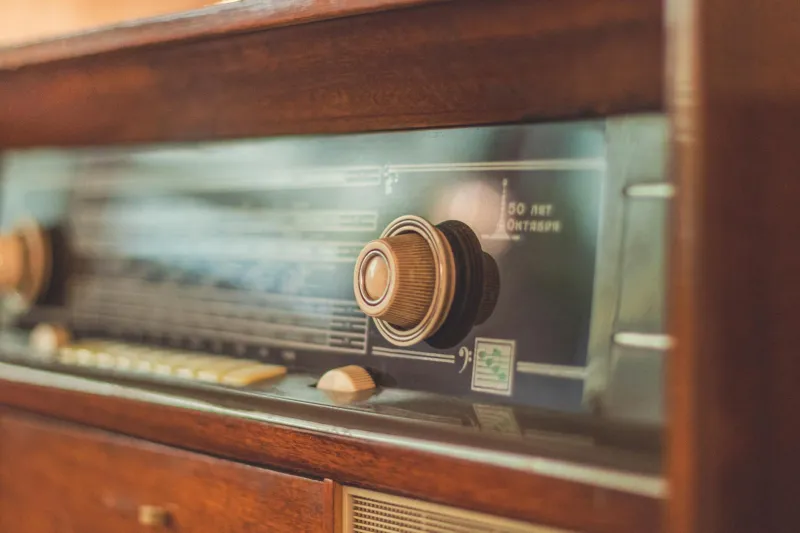
At 8:30 sharp on Sunday nights, the Johnson family gathered in their Milwaukee living room, arranging themselves in a semicircle around the massive Philco radio that dominated the corner like a wooden altar. Dad claimed his favorite armchair, Mom settled into her rocker with her knitting, and the kids sprawled on the carpet, eyes closed in concentration. For the next hour, the outside world ceased to exist as they entered the thrilling universe of "The Shadow."
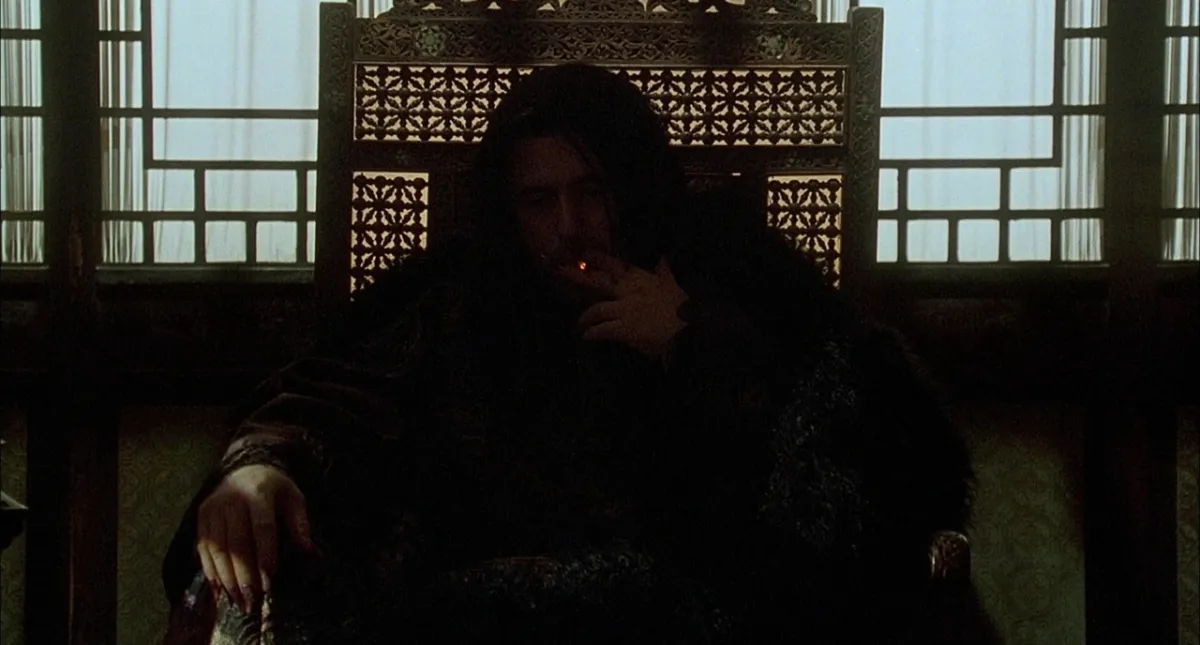 Photo: The Shadow, via blogger.googleusercontent.com
"Who knows what evil lurks in the hearts of men?" came the ominous voice, and three generations held their breath together, sharing chills and gasps in the darkness of their imagination.
This was America in the 1940s, when radio ruled the living room and families planned their entire evening around the voices flowing from that glowing dial.
The Furniture That Commanded Respect
Radio wasn't just entertainment in mid-century America — it was the centerpiece of domestic life. These weren't the portable devices we know today, but substantial pieces of furniture that weighed 50 pounds or more and cost the equivalent of $3,000 in today's money. Families saved for months to afford a quality radio set, then positioned it prominently in the living room where everyone could gather around it comfortably.
The radio cabinet itself became a symbol of family prosperity and technological sophistication. Manufacturers like RCA, Zenith, and Stromberg-Carlson crafted them from rich walnut and mahogany, with intricate fretwork and art deco styling that complemented the finest home furnishings. The radio wasn't hidden away — it was displayed with pride.
Unlike today's background audio, radio demanded active attention. Families would dim the lights, settle into their designated spots, and focus entirely on the voices and sound effects flowing from the speaker. Children learned to sit quietly during dramatic moments, and even household chores were timed around favorite programs.
When All of America Listened Together
The power of radio to unite the nation was unprecedented and remains unmatched. On any given evening, 30 million Americans might be tuned to the same program, experiencing identical moments of laughter, suspense, or emotion. "Amos 'n' Andy" drew such massive audiences that movie theaters would pause their films during the show's 15-minute timeslot, knowing their audiences had disappeared.
Families structured their entire schedules around radio programming. Dinner was served early on Sundays to ensure everyone could gather for "The Jack Benny Program" at 7:00. Homework was completed before "The Lone Ranger" began at 7:30 on weeknights. Even bedtimes shifted to accommodate favorite shows — parents might allow children to stay up late for special holiday broadcasts or particularly exciting serial episodes.
 Photo: The Lone Ranger, via posterspy.com
Local businesses adapted to radio schedules too. Restaurants noticed dramatic drops in customers during popular program hours. Phone companies reported significant decreases in calls during prime listening times. Radio had synchronized American life in a way that no medium before or since has achieved.
The Theater of the Mind
Radio programming in the 1930s and 1940s was astonishingly sophisticated, creating entire worlds through nothing but voices, music, and sound effects. Families would close their eyes and visualize the creaking doors of "Inner Sanctum," the thundering hoofbeats of the Lone Ranger's horse Silver, or the bustling newsroom of "The Front Page."
Production values rivaled anything on Broadway. "The Mercury Theatre on the Air" featured full orchestras and ensemble casts performing live adaptations of classic literature. Comedy shows like "Fibber McGee and Molly" developed running gags and character quirks that audiences followed for decades, creating a sense of intimacy with fictional families that felt more real than most neighbors.
Children developed what educators called "radio imagination" — the ability to construct vivid mental pictures from audio cues alone. This skill, fostered by hours of active listening, enhanced reading comprehension and creative thinking in ways that passive visual media couldn't match.
The Ritual of Shared Experience
Radio listening was a communal activity that strengthened family bonds and social connections. During dramatic moments, family members would glance at each other, sharing wordless reactions to plot twists and character developments. Children learned to read adult emotions by watching their parents' faces during news broadcasts or dramatic programs.
The ritual extended beyond individual homes. Neighbors would discuss the previous night's episodes over backyard fences. Office workers gathered around water coolers to debate plot developments and predict story outcomes. Radio created a shared cultural vocabulary that connected Americans across regional and economic divides.
Even the act of tuning in required patience and skill. Finding a clear signal often involved careful adjustment of the dial and antenna, sometimes requiring one family member to hold a particular position to maintain reception. These minor technical challenges became part of the ritual, adding anticipation to the listening experience.
When Screens Replaced Voices
Television's arrival in the 1950s fundamentally altered this landscape. Suddenly, families could see their entertainers' faces, watch action unfold visually, and experience stories through multiple senses simultaneously. The transition was swift and decisive — by 1960, most American families owned television sets, and radio had retreated to kitchens, bedrooms, and automobiles.
The change was more than technological; it was social and cognitive. Television viewing became more passive, requiring less imagination and active participation from audiences. The shared ritual of gathering around a single device continued, but the experience itself transformed from collaborative imagination to collective observation.
Radio programming adapted by becoming more specialized and portable. Music replaced drama as the primary content, and radio became background accompaniment to other activities rather than the evening's main event. The era of appointment listening — when families scheduled their lives around specific programs — faded into memory.
The Lost Art of Listening Together
Today's audio landscape offers infinite choices delivered through personal devices. Podcasts, streaming music, and audiobooks provide customized content for individual tastes, but they rarely create shared experiences. Even when families listen to the same content, they often do so through separate headphones, isolated despite their physical proximity.
The communal radio experience shaped an entire generation's understanding of storytelling, community, and family time. It taught patience, imagination, and the value of shared attention — qualities that seem increasingly rare in our fragmented media environment.
Some families today are rediscovering the magic of audio storytelling through podcast listening sessions or audiobook sharing, but these activities compete with countless other entertainment options in ways that radio never did.
The golden age of radio reminds us that technology's most profound impact isn't always about what it enables, but about what it requires — the discipline of shared attention, the patience for delayed gratification, and the willingness to let imagination fill in the blanks that screens now complete for us.