Before Amazon Prime, the Milkman Was America's Original Life Coach: When Delivery Drivers Knew Your Family Better Than You Did
The Route That Ran Like Clockwork
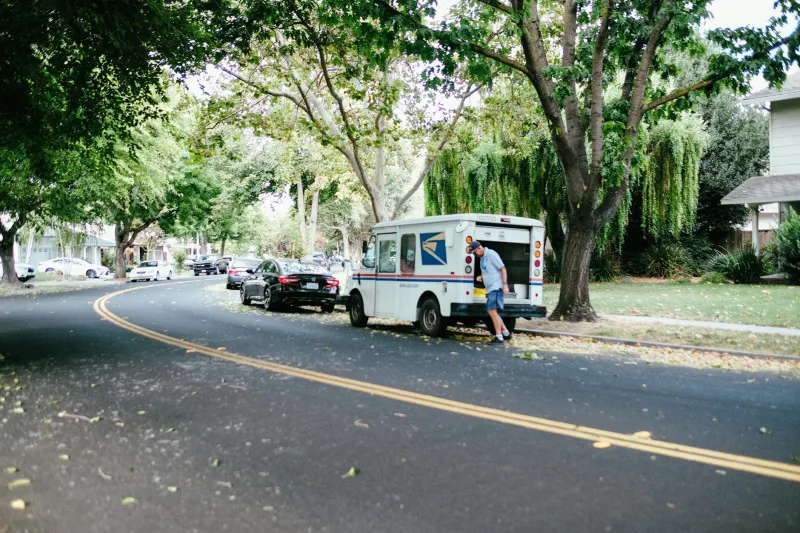
Every Tuesday and Friday at 6:30 AM, Harold Kowalski would pull his white truck up to the Henderson house on Maple Street, grab two bottles of whole milk and one of buttermilk from his refrigerated cargo hold, and place them in the insulated box by the front door. He'd collect the empties, note that Mrs. Henderson had left a handwritten request for an extra dozen eggs next week, and move on to the next stop.
 Photo: Harold Kowalski, via f4.bcbits.com
This routine continued for seventeen years. Harold knew that the Hendersons went light on dairy during their annual summer vacation to Lake George, that they switched to skim milk when Dr. Peterson put Mr. Henderson on a diet, and that they'd need extra cream every December when Mrs. Henderson's sister came for the holidays with her famous pumpkin pie recipe.
 Photo: Lake George, via www.findrentals.com
This wasn't just milk delivery—it was a relationship built one bottle at a time.
The Army of Route Men Who Knew Your Life
Before the suburban mall killed Main Street and the internet killed everything else, American neighborhoods hummed with the activity of route-based service workers who showed up with the reliability of sunrise. The milkman was just the most famous member of a vast network that included bread men, ice deliverers, knife sharpeners, and even mobile grocers who brought entire stores to your doorstep.
These weren't gig workers grabbing shifts between other jobs. They were career professionals who built their livelihoods on intimate knowledge of their customers' lives, preferences, and patterns. Your route man knew if you were diabetic (skim milk, sugar-free cookies), if you had house guests coming (extra everything), or if times were tough (smaller orders, requests to "put it on the tab").
The Helm's Bakery truck that wound through Los Angeles neighborhoods for decades didn't just deliver bread—it was a mobile community center where housewives gathered to chat while selecting fresh donuts and catching up on neighborhood news. The driver knew which houses had new babies (extra milk, softer bread), which families were dealing with illness (special dietary requests), and which kids had birthdays coming up (a free cookie, delivered with a wink).
 Photo: Helm's Bakery, via immediac.blob.core.windows.net
The Psychology of Predictable Service
What made these relationships work wasn't just convenience—it was the psychological comfort of predictable human contact. In an era when many women were isolated in suburban homes all day, the arrival of the route man provided a brief but meaningful social connection with the outside world.
These interactions followed their own social protocols. The milkman might chat briefly about the weather or ask after a sick child, but he wasn't there to socialize. He was there to provide a service with a smile, remember your preferences, and make your life a little easier through his professional attention to detail.
Customers reciprocated with loyalty that modern businesses can only dream of. Families used the same milk route for decades, passing their relationships with delivery drivers down through generations. When Harold Kowalski finally retired, three generations of Hendersons attended his retirement party.
The Economics of Knowing Your Customer
This hyper-personalized service economy worked because it was built on efficiency through relationship, not scale. A good route man could serve 200 families because he knew exactly what each one needed, when they needed it, and how they liked it delivered. No inventory waste, no customer service calls, no complicated logistics—just human knowledge applied with professional precision.
The milk route was also a credit system based entirely on character assessment. Customers could run tabs for weeks or months, with payment collected on a schedule that worked for both parties. The route man extended credit based on his daily observation of the household: steady employment, responsible habits, and a history of honoring commitments.
This created a feedback loop of accountability that no algorithm can replicate. Stiff your milkman, and the whole neighborhood would know about it by Sunday church. Honor your commitments, and you'd have flexible payment terms and extra service during tough times.
When Delivery Was About More Than Packages
The death of route-based delivery wasn't sudden—it was a slow strangulation by suburban sprawl, refrigeration technology, and the rise of supermarket chains that could offer lower prices through volume purchasing. By the 1970s, most American families drove to massive grocery stores and loaded up weekly shopping carts instead of having daily necessities delivered to their doorsteps.
We told ourselves this was progress: more choice, lower prices, greater convenience. And in purely transactional terms, it was. But we lost something that took decades to recognize: the social infrastructure that came with predictable, personal service.
The Gig Economy's Hollow Promise
Today's delivery economy promises to recreate the convenience of route-based service, but it's built on a fundamentally different model. Your DoorDash driver is an independent contractor grabbing shifts when they need money. They don't know your dietary restrictions, your family situation, or whether you're having a rough week.
The efficiency comes from algorithms and apps, not human relationships. Your delivery driver might be different every time, working for multiple platforms simultaneously, with no particular investment in your satisfaction beyond completing the current transaction.
Modern delivery optimizes for speed and scale, not relationship and reliability. You can get almost anything delivered within hours, but you can't build the kind of ongoing relationship that allowed Harold Kowalski to notice when Mrs. Henderson was going through a difficult period and quietly extend extra credit without being asked.
What We Lost When We Optimized Everything
The route-based service economy wasn't perfect—it was expensive, limited in selection, and often unavailable in rural or low-income areas. But it created something that no app can replicate: a network of professional relationships that provided both economic service and social connection.
These delivery workers were often the first to notice when elderly customers didn't collect their orders, when families were struggling financially, or when someone needed help beyond what they were selling. They were embedded in the community in ways that made them unofficial social workers, financial counselors, and neighborhood watchmen.
Modern delivery gives us incredible convenience and choice, but it's delivered by strangers who disappear as quickly as they arrived. We've gained efficiency and lost humanity—a trade-off that seemed obviously beneficial until we realized what we'd given up.
The milkman didn't just bring dairy products to your door. He brought the assurance that someone in the world knew your routine, cared about your preferences, and would notice if something was wrong. In our rush to optimize delivery, we optimized away the very thing that made it valuable: the knowledge that someone was paying attention.