The Mystery Ring That Made Every Phone Call an Adventure: Before America Knew Who Was Calling
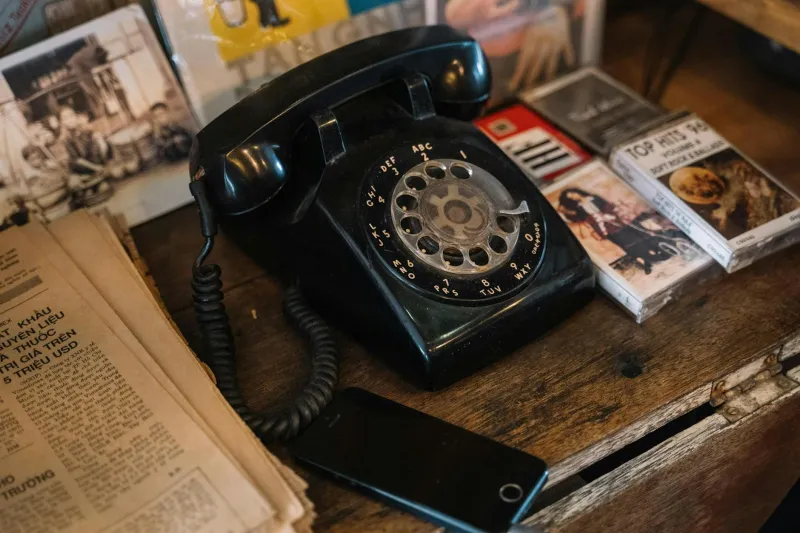
The Great Unknown of the Ringing Phone
Imagine this: Your phone rings at 7:30 PM on a Tuesday. You have no idea if it's your mother calling to chat, your boss with an emergency, a wrong number, or someone selling vacuum cleaners. You simply walk over and answer, "Hello?"
For anyone under 30, this scenario sounds like science fiction. But for most of American history, every phone call was a mystery box, and answering it was an act of social obligation that shaped the rhythm of daily life in ways we've completely forgotten.
When Every Ring Was a Roll of the Dice
Before caller ID became standard in the 1990s, the telephone was America's great equalizer. Rich or poor, famous or unknown, everyone's call looked exactly the same: a ringing phone that demanded an immediate decision. Answer or don't. There was no middle ground.
This technological blind spot created a unique social contract. Answering the phone was considered a civic duty, like holding doors or saying "excuse me." You answered because someone—anyone—might need you. The person on the other end had taken the trouble to dial your number (literally, in the rotary phone era), and basic courtesy demanded you find out what they wanted.
Families developed elaborate systems to manage this uncertainty. The phone rang during dinner? Dad would answer with a slightly annoyed "Johnson residence" that signaled this better be important. A call after 10 PM sent parents racing to the kitchen, hearts pounding with worry about emergencies.
The Shared Line That Built Community
In rural America, party lines made the mystery even more complex. Your ring might be two short and one long, while your neighbor got three short rings. But anyone on the line could pick up and listen—and frequently did. This wasn't considered rude; it was entertainment and community oversight rolled into one.
Mrs. Henderson down the road might casually mention that she "happened to overhear" your conversation with the doctor, then show up the next day with a casserole and medical advice. Privacy was a luxury that hadn't been invented yet, but neither had social isolation.
 Photo: Mrs. Henderson, via image.tmdb.org
The Art of the Phone Voice
Without visual cues, Americans became masters of telephone communication. You could tell everything about a caller from their opening words: the hesitant "Um, hello?" of a nervous teenager, the crisp "Good morning, this is Robert" of a businessman, or the familiar "It's me" of your best friend who knew you'd recognize her voice instantly.
People developed distinct "phone voices"—slightly more formal, carefully enunciated versions of their normal speech. Children were coached on proper telephone etiquette: "Hello, Smith residence, this is Tommy speaking." The phone demanded a performance, and Americans rose to the occasion.
When Busy Signals Actually Meant Something
If someone didn't answer, you got a busy signal—that harsh, rhythmic tone that meant exactly what it said. The person you were calling was talking to someone else, and you'd have to try again later. This simple limitation created its own social dynamics.
Important conversations got cut short by call waiting (for those lucky enough to have it), and the phrase "I've been trying to reach you all day" actually meant something. You might spend an entire evening repeatedly dialing the same number, getting busy signals, then finally connecting at 9:47 PM to someone who was genuinely surprised to hear from you.
The Operator Who Knew Everyone's Business
For long-distance calls, you went through an operator who manually connected your call. These women (they were almost always women) became the invisible nervous system of American communication. They knew who was calling whom, how often, and for how long.
"Operator, I'd like to make a person-to-person call to Mrs. Dorothy Williams in Sacramento." Then you'd wait while the operator tracked down Mrs. Williams, confirmed she was available, and connected you for a conversation that cost more per minute than most people made per hour.
The Death of Spontaneous Connection
Caller ID didn't just tell us who was calling—it fundamentally changed how we relate to our phones. Today, we screen calls like bouncer at an exclusive club. Unknown number? Straight to voicemail. We've gained control but lost spontaneity.
The generation that grew up with caller ID treats an unexpected phone call as an intrusion, not an opportunity. "Why didn't you text first?" has become a legitimate complaint. We've optimized communication for efficiency and lost the serendipity that comes from not knowing who needs you at any given moment.
What the Mystery Taught Us
Living without caller ID required a kind of social courage we've largely abandoned. Every answered phone was an act of openness to the world and its possibilities. You might get a wrong number that turned into a friendship, a sales call that actually offered something you needed, or news that changed everything.
This uncertainty also created natural boundaries around communication. People didn't call during dinner hours unless it was urgent. Late-night calls meant emergencies. The phone had weight and consequence because every call was an investment of attention that couldn't be undone.
The Algorithm of Human Connection
Modern smartphones have turned communication into a curated experience. We know who's calling, we can see their texts before responding, and we can delay or avoid conversations that don't fit our schedule. It's incredibly convenient and profoundly isolating.
We've solved the mystery of the ringing phone, but in doing so, we've lost something essential about human connection: the willingness to be surprised, interrupted, and occasionally inconvenienced by the needs of others. In our rush to control our communications, we've forgotten that the best conversations often come from the calls we never saw coming.