When $30,000 Bought You a House and a Future: The Collapse of American Homeownership
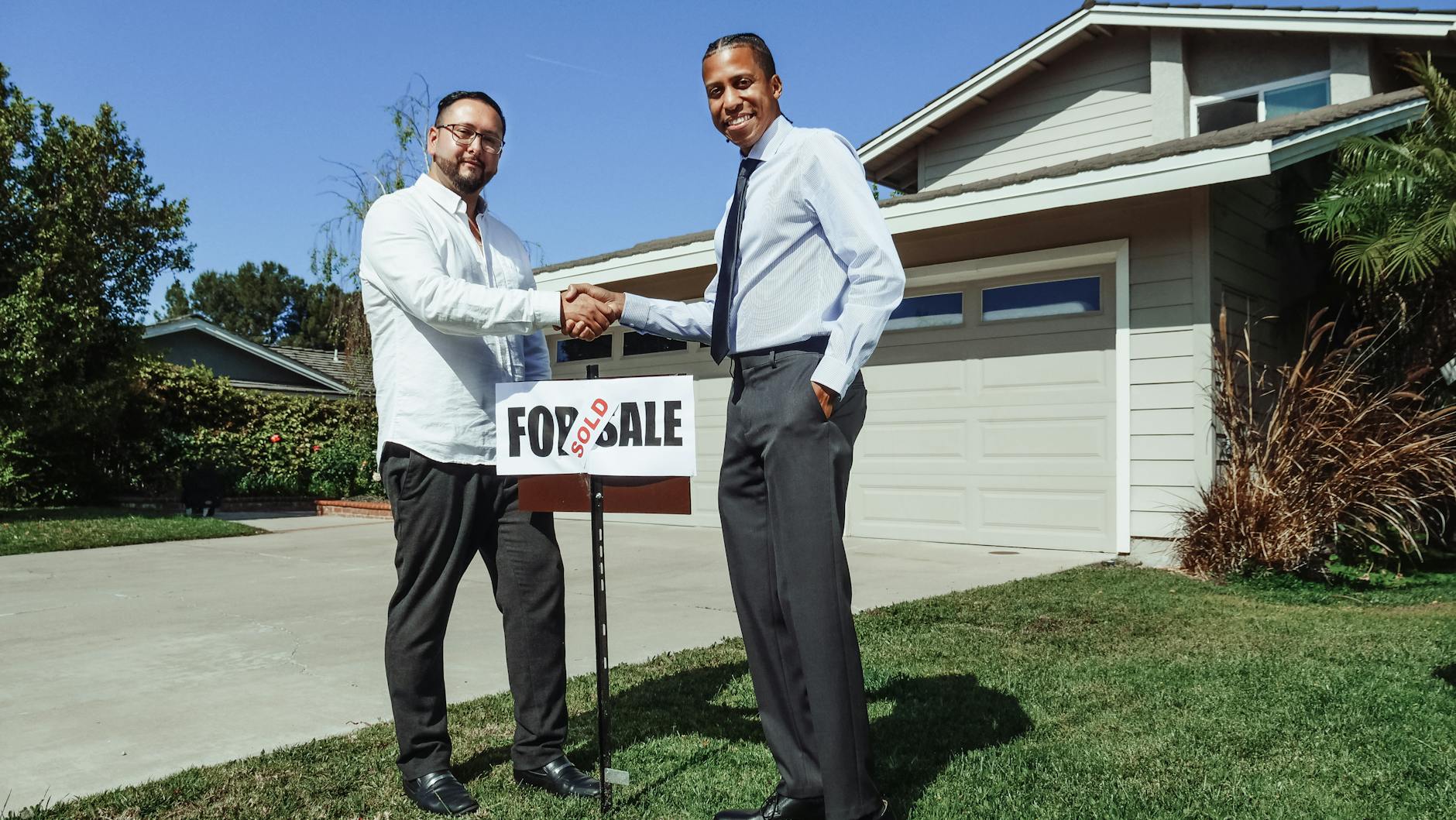
When $30,000 Bought You a House and a Future: The Collapse of American Homeownership
There's a moment in almost every family's history — usually captured in a faded photograph — where someone is standing in front of a modest house with a big smile and a set of keys. That house probably cost less than a new car does today. And that person probably bought it in their mid-twenties, on a single income, without a finance degree or a trust fund.
That wasn't luck. That was just Tuesday in 1975.
Somewhere between then and now, the math of homeownership broke. Not bent — broke. And most people don't fully grasp just how dramatically the rules changed until they start running the actual numbers.
What the Numbers Looked Like in 1975
In 1975, the median home price in the United States was roughly $39,000. The median household income that year sat around $13,700. That means a typical home cost about 2.8 times what a family earned in a year — a ratio that made saving for a down payment genuinely achievable.
Put it this way: a family setting aside 20% of their income each year could accumulate a 10% down payment in roughly two to three years. They'd walk into a bank, shake a hand, sign some papers, and own a piece of America before the decade was out.
Now flip to today. The median U.S. home price is hovering around $420,000 as of recent data. Median household income is approximately $74,000. That's a price-to-income ratio of nearly 5.7 — more than double what it was fifty years ago. And in major metros, it's far worse.
City by City: Where It Hurts the Most
The national average softens the blow. The real picture comes into focus when you zoom into specific cities.
Detroit is often held up as the affordable outlier. Median home prices there still hover around $90,000 in many neighborhoods — seemingly manageable. But Detroit's median household income is one of the lowest of any major U.S. city, sitting around $36,000. Factor in that a significant portion of the housing stock requires substantial renovation, and that bargain starts looking a lot more complicated.
Austin, Texas tells a completely different story. In 1975, Austin was a laid-back college town where homes were genuinely cheap. Today, the median home price in Austin exceeds $500,000. A household earning the city's median income of around $75,000 would need to save for well over a decade just to cover a standard down payment — and that's assuming prices don't keep climbing while they're saving.
Phoenix sits somewhere in the middle, but the trajectory is what's alarming. In 2012, the median Phoenix home cost around $150,000. By 2024, that figure had surged past $400,000. An entire generation of would-be buyers watched the goalpost move in real time, saving diligently while prices outran them year after year.
So What Actually Changed?
It wasn't one thing. It was a cascade.
Zoning laws across American cities gradually restricted the construction of new housing — particularly the kind of dense, affordable housing that growing populations need. Single-family zoning became the dominant framework in suburb after suburb, artificially limiting supply while demand kept rising.
Interest rates played a role too, though in a complicated way. The ultra-low rates of the 2010s made mortgages cheap, which pushed more buyers into the market and drove prices up. When rates climbed sharply in 2022 and 2023, prices didn't fall enough to compensate — they just made monthly payments more brutal.
Investor activity reshaped the landscape as well. Institutional buyers, short-term rental platforms, and real estate investment trusts began competing directly with first-time buyers for starter homes — the exact properties that previous generations used as their entry point into ownership.
And wages? They grew, but nowhere near fast enough. Adjusted for inflation, the purchasing power of a typical American paycheck has barely budged in decades, even as home prices compounded relentlessly upward.
The Dream Deferred
For the generation that came of age in the postwar decades, homeownership wasn't a stretch goal — it was a baseline expectation. You got a job, you saved for a few years, you bought a house, and you built equity over time. That equity became a retirement cushion, a legacy for your kids, and a source of financial stability through the ups and downs of life.
Today's buyers aren't less disciplined or less ambitious. They're operating in a fundamentally different system. The average age of a first-time homebuyer in the U.S. has climbed to 35 — up from 29 in the 1980s. In expensive markets, many are waiting until their forties, relying on family gifts for down payments, or giving up on ownership altogether.
The house in that faded photograph didn't just represent shelter. It represented a version of economic mobility that, for millions of Americans, has quietly slipped out of reach. Understanding how we got here is the first step toward figuring out whether — and how — we find our way back.