When 6 PM Meant Everyone Was Home: America's Lost Ritual of the Family Dinner
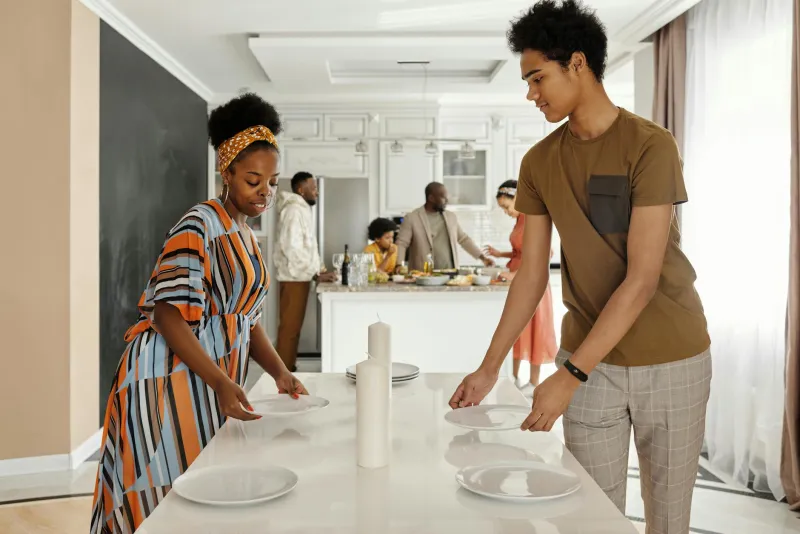
The Sacred Hour That Disappeared
Every evening at 6 PM sharp, something magical happened in American homes. Fathers walked through the front door, hanging their hats on hooks that actually got used. Mothers called from the kitchen, their voices carrying the promise of pot roast or meatloaf. Children abandoned their bicycles in the driveway and rushed inside, hands still dirty from playing outside until the very last minute.
The dinner table wasn't just furniture—it was the command center of American family life.
In 1960, surveys showed that 90% of American families ate dinner together every single night. Not most nights. Not when schedules allowed. Every night, without exception. The family dinner was as predictable as the evening news and twice as important.
Fast-forward to today, and that number has collapsed to just 30%. The American dinner table has become a relic, replaced by kitchen islands where family members grab plates and scatter to their separate corners of the house.
When Dinner Was an Event, Not an Interruption
Back then, dinner wasn't something you squeezed between soccer practice and homework. It was the main event that everything else revolved around.
Families planned their entire day around that 6 PM gathering. Dad's work ended at 5 PM, giving him exactly enough time to drive home through tree-lined neighborhoods where traffic moved at a reasonable pace. Mom spent the afternoon preparing meals that required actual cooking—not reheating or unwrapping.
Children knew that when the streetlights came on, it was time to head home for dinner. No negotiations, no "five more minutes." The dinner bell rang, and everyone came running.
The ritual was sacred. Phones stayed mounted on kitchen walls, and the idea of taking a call during dinner was unthinkable. Television sets remained dark until after the dishes were cleared. Conversation wasn't competing with notifications, alerts, or the endless scroll of social media.
The Great Unraveling
So what happened? How did America lose its most fundamental family tradition?
The answer isn't found in any single moment but in a thousand small changes that accumulated over decades. Work schedules stretched longer and became less predictable. The 9-to-5 job with a guaranteed quitting time gave way to careers that demanded evening emails and weekend availability.
Suburban sprawl meant longer commutes. Dad's 15-minute drive home became a 45-minute battle through traffic. Mom entered the workforce in unprecedented numbers, but somehow was still expected to have dinner on the table at 6 PM.
Children's schedules exploded with activities. Soccer practice, piano lessons, tutoring sessions, and playdates filled every available hour. The idea of being home by 6 PM became impossible when your 8-year-old had commitments until 7:30.
The Smartphone Revolution
Then came the final blow: smartphones.
Suddenly, even when families managed to gather around the table, they weren't really together. Everyone had a glowing rectangle demanding their attention. Group chats buzzed with urgent messages about absolutely nothing. Instagram served up an endless buffet of other people's dinner photos, making your own meal seem inadequate by comparison.
The smartphone didn't just change how we communicate—it changed our relationship with time itself. Why sit through your little brother's story about third grade when you could be watching TikTok videos? Why listen to Dad's work stories when your friends were texting about weekend plans?
What We Lost When We Stopped Gathering
Researchers have spent decades studying what happened when American families abandoned the dinner table, and the results are sobering.
Children who regularly ate dinner with their families showed better academic performance, lower rates of depression, and stronger communication skills. They were less likely to engage in risky behaviors and more likely to maintain close family relationships into adulthood.
The dinner table was where children learned to have conversations with adults, to listen patiently, to share their own experiences. It was democracy in action—everyone got a turn to speak, and everyone had to listen.
Parents learned about their children's lives not through interrogation but through natural conversation. Problems were identified and solved before they became crises. Family bonds were strengthened through the simple act of sharing food and stories.
The Convenience Trap
Today's families often eat together, but rarely at the same time or in the same place. Mom grabs a salad while standing at the kitchen counter, scrolling through work emails. Dad eats a sandwich in the car between meetings. Kids microwave frozen dinners and eat while watching YouTube videos.
We've gained convenience but lost connection. Meal delivery apps can bring restaurant-quality food to our doors in 30 minutes, but they can't deliver the conversation and laughter that once filled American dining rooms.
Frozen dinners and fast food eliminated the time and effort required to prepare family meals, but they also eliminated the anticipation and gratitude that came with a home-cooked dinner.
The Road Back Home
Some families are fighting back against the tide, recognizing what they've lost and working to reclaim it. They're instituting "phone-free" dinner hours, scheduling family meals like important appointments, and rediscovering the simple pleasure of sharing food and conversation.
But it's an uphill battle against a culture that values efficiency over connection, convenience over community. The American dinner table may never return to its former glory, but its memory serves as a reminder of what we gave up in our rush toward progress.
In a world where everything moves faster and demands our immediate attention, perhaps the most radical act is to simply sit down together, turn off the devices, and remember what it means to be a family.