Something Borrowed, Something Blue, Something Completely Unaffordable: How Weddings Became America's Most Expensive Day
Something Borrowed, Something Blue, Something Completely Unaffordable: How Weddings Became America's Most Expensive Day
In 1960, a wedding was a Saturday afternoon, a church hall, and a sheet cake from the bakery downtown. Today, the average American couple drops over $30,000 before they've said a single vow. Somewhere between then and now, the wedding stopped being a celebration and became a production.
And most people didn't even notice it happening.
What a Wedding Used to Actually Look Like
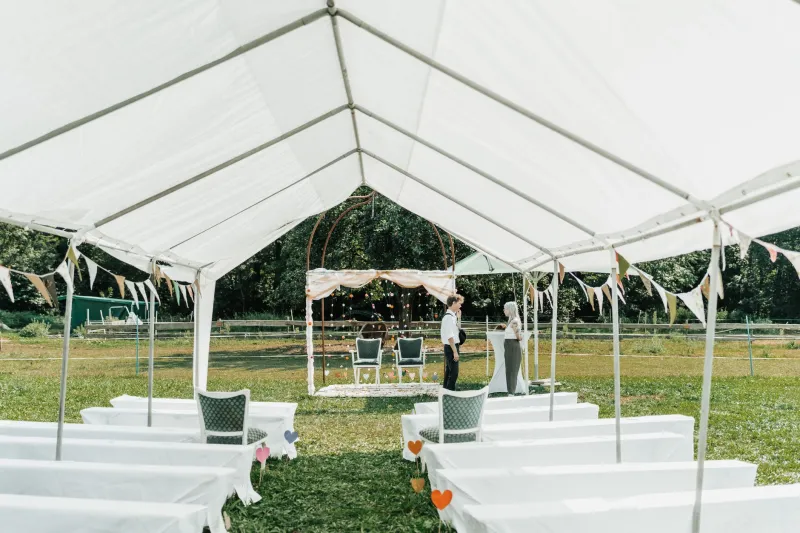
For most of the twentieth century, getting married in America was a community event, not a consumer event. The ceremony happened in a church, a backyard, or a local hall. The guest list was made up of people who actually knew the couple — neighbors, coworkers, cousins, the family from two towns over who drove in the night before.
The reception was potluck platters, a relative's homemade punch, and a record player in the corner. If you were lucky, a local band showed up and played three hours of standards for a flat fee. The flowers came from someone's garden. The dress was either sewn by hand or bought off the rack and altered at a neighborhood seamstress. The photographer was a friend with a decent camera and a steady hand.
Total cost? Somewhere between a few hundred dollars and a modest thousand. In today's money, that still wouldn't crack five figures — and nobody thought the couple had done anything wrong by keeping it simple. Simplicity was the point. You were starting a life together. The party was just the beginning.
When the Industry Moved In
The wedding industry as we know it didn't always exist. It was built, piece by piece, through decades of marketing, cultural messaging, and the slow redefinition of what a "real" wedding was supposed to look like.
By the 1980s, bridal magazines were thick as phone books. By the 1990s, wedding planners had become a profession rather than a favor a well-organized aunt did for free. Cable television introduced shows dedicated entirely to dress shopping, venue tours, and cake tastings. Each new layer of "tradition" that got added — the engagement party, the rehearsal dinner, the bridal brunch, the farewell breakfast — was sold as something couples had always done. Most of it was invented recently.
Then social media arrived and changed everything again. Suddenly weddings weren't just events. They were content. The pressure to create a visually perfect day — one that would photograph beautifully, perform well on Instagram, and be remembered by people who weren't even in the room — reshaped the entire calculus of what couples felt they needed to spend.
The Numbers Don't Lie
The average American wedding now costs somewhere between $29,000 and $35,000, depending on which survey you trust. In major cities like New York, Chicago, or Los Angeles, that number climbs considerably higher. Venue deposits alone can run $5,000 to $15,000. Photographers who shoot digital files and deliver them six weeks later charge what a skilled tradesman used to earn in a year.
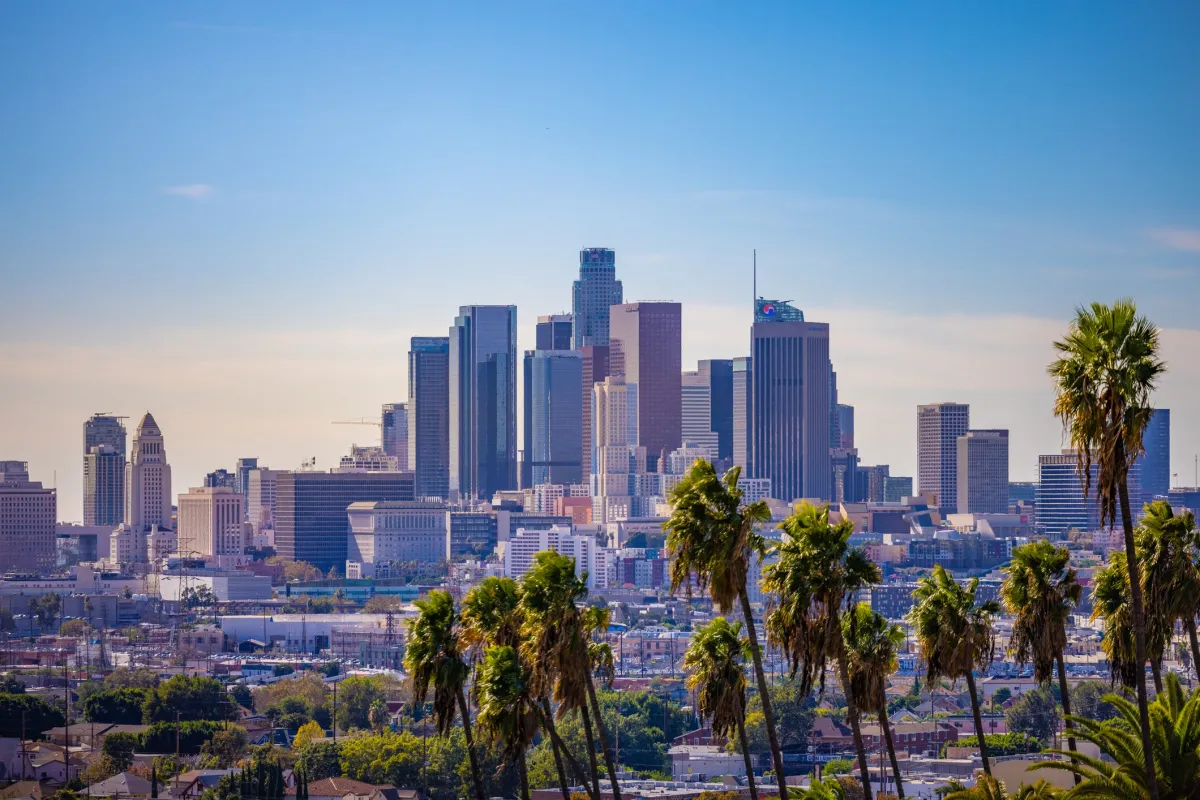 Photo: Los Angeles, via static.independent.co.uk
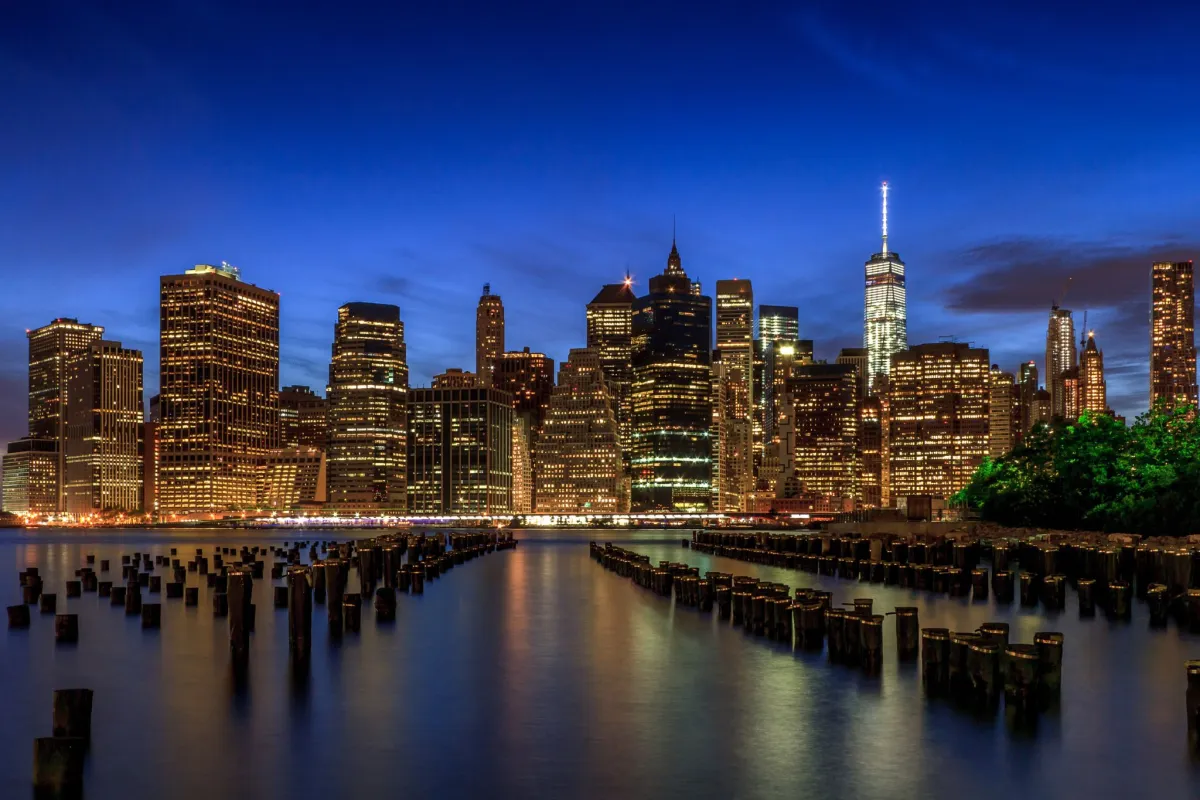 Photo: New York, via i.pinimg.com
And that's before the destination bachelorette weekend, which has quietly become its own multi-day travel event — flights, hotel rooms, spa packages, and a group dinner at a restaurant where the appetizers cost more than a 1965 wedding reception.
Couple all of that with the engagement ring expectations (the "two months' salary" rule was invented by a diamond company in the 1940s, for what it's worth), and you start to see a pattern: every major milestone in the modern wedding timeline has a price tag attached that someone, somewhere, decided was non-negotiable.
What Couples Actually Gave Up
It's easy to look at the numbers and shrug — people spend what they want to spend, and if a big wedding makes them happy, who's to say otherwise? But there's a cost beyond the credit card bill.
Many couples today start their marriages in debt specifically because of the wedding. A 2022 LendingTree survey found that nearly one in three couples who financed their wedding were still paying it off years later. The honeymoon goes on a credit card. The apartment deposit gets delayed. The emergency fund stays empty.
Meanwhile, the older model — the backyard ceremony, the church reception, the potluck dinner — produced marriages that lasted just as long, often longer, without any of the financial hangover. The couple in 1958 who got married for $400 and moved into a rented house the following Monday didn't feel like they'd been cheated out of anything. They felt like they'd started something.
The Quiet Return of Simple
Here's the good news: a small but growing number of couples are pushing back. Micro-weddings, elopements, and courthouse ceremonies followed by a nice dinner have made a quiet comeback, particularly among younger couples who've run the numbers and decided the venue deposit could go toward a down payment instead.
They're not doing anything radical. They're doing what most Americans did for most of American history — celebrating the moment without mortgaging the future.
The wedding industry will tell you that you only get one chance to do this right, and that doing it right costs a certain amount. But the couples who got married in church halls in 1962 with sheet cake and a borrowed punch bowl? Most of them would tell you the day was perfect.
They just didn't have a hashtag for it.