Two Signatures and a Spare Key: What Renting an Apartment Used to Actually Look Like
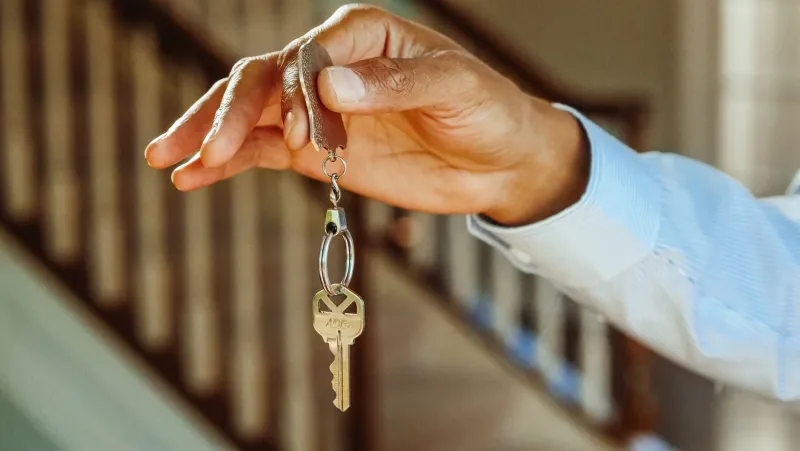
Somewhere in a file box in a lot of older Americans' closets, there's a rental agreement that fits on a single sheet of paper. Maybe it's typed. Maybe it's handwritten on a form printed at the local stationery shop. It lists the rent, the move-in date, the deposit amount, and a few basic rules about pets and noise. Both parties signed it. Both parties kept a copy. That was the lease.
Compare that to the average rental agreement in 2024 — a 30-to-50-page document drafted by attorneys, reviewed by compliance teams, and delivered electronically through a property management portal you'll log into exactly twice: once to sign, once to submit a maintenance request that takes three weeks to acknowledge.
The paperwork changed. But what changed around the paperwork might be the more interesting story.
The Landlord Who Lived on the Block
For much of the 20th century, the most common rental arrangement in American cities and towns wasn't a corporate apartment complex. It was a duplex or a three-flat where the owner lived in one unit and rented the others. The landlord wasn't a faceless entity — they were your upstairs neighbor, the person you saw taking out the trash on Tuesday mornings.
This proximity created a very different kind of accountability. If the furnace quit in January, you knocked on a door rather than filed a ticket. If the kitchen faucet dripped, a Sunday afternoon visit from the landlord with a wrench was a perfectly normal resolution. The relationship was informal, sometimes frustratingly so, but it was a relationship — one where both parties had a stake in keeping things functional and civil.
Tenants, for their part, often stayed for years. Turnover was low because the arrangement worked well enough and moving was a genuine hassle. A landlord who knew your name, your work schedule, and the fact that your mother visited every Thanksgiving was less likely to raise rent arbitrarily. There were no algorithms setting prices based on neighborhood demand metrics.
The Application Was a Conversation
Getting approved for a rental used to be a largely human process. You showed up, met the landlord, looked at the unit, and talked. The landlord sized you up — your manner, your references, your employment situation — and made a judgment call. Credit scores existed but weren't always the primary filter. A steady job, a decent reference from a previous landlord, and a willingness to pay first and last month's rent upfront could get you through the door.
This system had obvious flaws. Discrimination was widespread and largely unchecked. Landlords could reject applicants for reasons that were unfair, illegal by today's standards, or simply personal. The informality that made things convenient for some made things deeply difficult for others, particularly Black renters and other minority groups who faced explicit and systemic exclusion from rental housing well into the late 20th century.
That history matters. The legal frameworks that came later — fair housing laws, standardized screening criteria, formal lease agreements — were built in response to real harm. The nostalgia for informal arrangements deserves a clear-eyed look at who those arrangements actually served.
What Formalization Fixed — and What It Flattened
The professionalization of the rental market brought genuine protections. Tenants gained clearer rights. Habitability standards became enforceable. The lease became a document that actually meant something in a courtroom. For renters who had previously been at the mercy of a landlord's mood, these were meaningful improvements.
But formalization also introduced distance. Property management companies expanded and consolidated. Single-family and small multifamily rentals increasingly fell under the management of firms that handled hundreds or thousands of units across multiple cities. The person processing your maintenance request might be working out of a call center in a different state. The person who owns your building might be an investment fund.
The lease grew longer not because the rental relationship became more complicated, but because the legal exposure became larger and the human accountability became smaller. When there's no relationship to fall back on, everything has to be documented.
The Rise of the Algorithmic Landlord
Today, many large rental properties use automated screening systems that evaluate applicants through credit scores, income ratios, rental history databases, and background check services — often before a human ever looks at the file. Approval or denial can come back within minutes.
This is efficient. It's also, in some ways, fairer — the same criteria apply to every applicant, at least in theory. But it also means that a single financial disruption — a medical debt, a job loss, a period of housing instability — can follow a renter through the screening process for years, regardless of their current circumstances or character.
The landlord who knew you couldn't always look past your situation, but sometimes they could. The algorithm never does.
A Different Kind of Neighborhood
There's a subtler loss embedded in all of this, beyond the paperwork and the processing. When a landlord lived in your building, renting was woven into the fabric of the neighborhood. There was a built-in community infrastructure — someone who noticed if you hadn't taken your mail in for a few days, who could tell a new tenant which grocery store was worth the walk.
That kind of informal neighborhood density has eroded across American cities for a lot of reasons — zoning changes, rising property values, the economics of small-scale landlording becoming increasingly unfavorable. But the shift in rental culture is part of it too.
The one-page lease wasn't just a simpler document. It was a record of a simpler transaction — one built on the assumption that both parties would have to see each other again soon. That assumption shaped how people behaved. And when it disappeared, something in the way neighbors related to each other went with it.