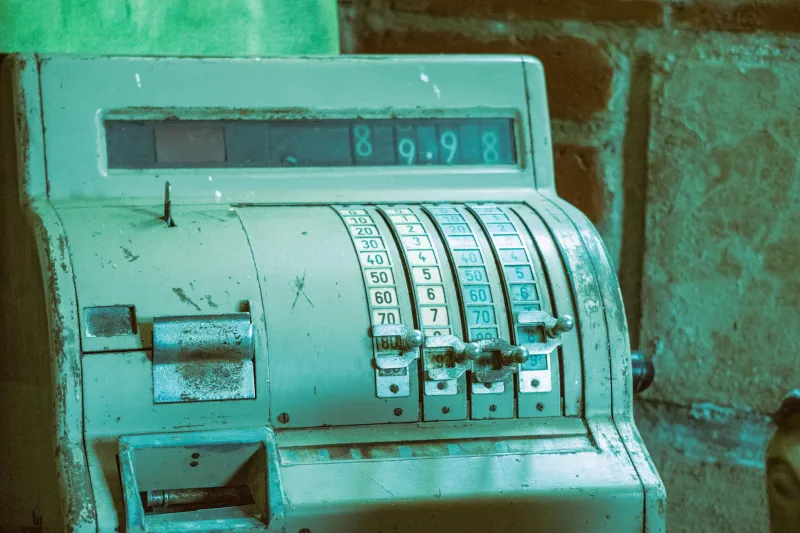
Every Saturday morning, Margaret walked into Woolworth's with her small leather purse, heading straight to the layaway counter where Mrs. Patterson kept careful records in a thick ledger book. "Two dollars toward the winter coat," Margaret would say, watching as Mrs. Patterson made a neat notation next to her name. The burgundy wool coat hung in the back room, waiting patiently for the day Margaret's final payment would earn her the right to take it home.
This weekly ritual, repeated in department stores across America from the 1930s through the 1980s, represented more than just a payment plan — it was a masterclass in financial discipline that shaped how entire generations thought about money, desire, and ownership.
The Art of Wanting and Waiting
Layaway emerged during the Great Depression when Americans had steady jobs but little disposable income. The concept was elegantly simple: customers could select merchandise, make a small down payment (typically 10-20% of the total cost), and then pay the balance over time through regular installments. The item remained in the store until fully paid for — no credit checks required, no interest charged, no debt incurred.
Department stores like Sears, Montgomery Ward, and local retailers embraced layaway as a way to maintain sales during economically challenging times. For customers, it offered a path to quality goods that might otherwise remain out of reach. More importantly, it embedded the principle of delayed gratification into the very fabric of American consumer culture.
The process required genuine commitment. Once you started a layaway plan, you were expected to make regular payments — typically weekly or monthly — until the item was fully paid for. Miss too many payments, and the store might return your item to the sales floor, refunding your money minus a small service fee. This accountability created a powerful incentive to honor your commitments and budget carefully.
The Ritual of Earning Your Reward
Layaway transformed shopping from an impulsive act into a deliberate process that unfolded over weeks or months. Customers would visit their chosen item regularly, checking on its condition, imagining how they'd use it, and building anticipation for the day they could finally take it home.
Children learned powerful lessons about money and patience through family layaway experiences. Parents would bring kids along on payment visits, explaining how saving small amounts over time could lead to significant purchases. "See how we're getting closer to bringing home that bicycle?" a father might tell his son, showing him the payment record. "Three more weeks of saving, and it's yours."
The layaway counter itself became a neighborhood institution. Store clerks developed personal relationships with regular customers, remembering their payment schedules and checking on their progress. Mrs. Patterson at Woolworth's knew that Margaret was saving for her daughter's wedding dress, that Tom was working toward a new lawn mower, and that the Henderson family had their eyes on a dining room set for Christmas.
When Credit Cards Changed Everything
The decline of layaway began in the 1980s as credit cards became widely available and socially acceptable. Banks aggressively marketed credit as a convenient alternative to layaway's payment plans, promising instant gratification without the wait. "Why wait when you can have it today?" became the prevailing message, fundamentally altering America's relationship with debt and desire.
Credit offered obvious advantages: immediate possession, the ability to use items while paying for them, and freedom from store payment schedules. But it also introduced concepts that layaway had deliberately avoided — interest charges, minimum payments, and the possibility of spending money you didn't actually have.
Retailers found credit transactions more profitable than layaway management. Credit card processing fees were offset by increased sales volume and reduced administrative overhead. Stores no longer needed to maintain layaway departments, track payment schedules, or store merchandise for extended periods. The shift from layaway to credit represented a fundamental change in retail business models.
The Psychology of Payment Plans
Layaway and credit cards create entirely different psychological relationships with money and purchases. Layaway required customers to experience the full cost of their decision before gaining possession, creating a natural cooling-off period that often prevented impulse purchases. The weekly payment ritual reinforced the item's value and the effort required to obtain it.
Credit cards, by contrast, separate the pleasure of acquisition from the pain of payment. Customers can enjoy their purchases immediately while the financial consequences remain abstract and distant. This temporal separation makes it easier to overspend and harder to appreciate the true cost of purchases.
Dr. James Roberts, a marketing professor at Baylor University who studies consumer behavior, notes that layaway customers typically reported higher satisfaction with their purchases than credit card users. "When you work toward something over time, you develop a deeper appreciation for it," he explains. "The anticipation and effort become part of the item's value."
 Photo: Baylor University, via i.pinimg.com
The Return of Patience-Based Commerce
Ironically, layaway has experienced a modest revival in recent years as retailers recognize the limitations of credit-dependent consumer spending. Walmart, Kmart, and other major chains have reintroduced layaway programs, particularly for holiday shopping. These modern versions often include online management and automated payment processing, but they maintain the core principle of payment before possession.
Simultaneously, new "buy now, pay later" services like Afterpay, Klarna, and Affirm have emerged, offering credit-like convenience with layaway-inspired payment structures. However, these services typically provide immediate possession while spreading payments over time — combining the instant gratification of credit with the installment structure of layaway.
The distinction matters. Traditional layaway taught patience and financial discipline because customers couldn't use their purchases until they were fully paid for. Modern payment plans offer convenience and flexibility but don't provide the same lessons in delayed gratification that shaped previous generations' spending habits.
What We Lost When We Stopped Waiting
The decline of layaway represents more than just a change in payment methods — it reflects a broader cultural shift away from patience-based decision making. When Americans stopped needing to wait for their purchases, they also stopped experiencing the anticipation, commitment, and satisfaction that come with earning something over time.
Layaway created natural budgeting discipline. Customers had to allocate specific amounts each week or month toward their purchases, forcing them to consider how these payments fit into their overall financial picture. This regular budgeting practice often extended to other areas of life, creating more thoughtful approaches to money management.
The social aspects of layaway also provided valuable accountability. Store clerks and fellow customers became informal financial advisors, offering encouragement during difficult payment periods and celebrating when items were finally claimed. This community support system helped people develop positive relationships with money and achievement.
Lessons from the Layaway Counter
Layaway's legacy offers important insights for modern consumers struggling with debt and impulse spending. The system's core principles — earning before owning, regular payment commitments, and delayed gratification — remain as relevant today as they were during the Depression.
Some financial advisors now recommend "reverse layaway" strategies where people save money toward purchases before buying them, essentially creating personal layaway plans without store involvement. This approach captures many of layaway's psychological benefits while providing complete control over the process.
The layaway counter reminds us of a time when patience was built into the very structure of American commerce, when wanting something and having it were understood to be different experiences, and when the journey toward ownership was considered as valuable as the destination itself. In our age of instant everything, that might be the most revolutionary concept of all.