The Suit That Outlived Its Owner: When Americans Bought Clothes to Last Forever
Somewhere in America right now, there is almost certainly a cedar chest or a cardboard trunk in someone's attic holding a wool suit that was made before the owner's parents were born. It still fits someone. The stitching is still tight. The lining hasn't rotted. It smells faintly of mothballs and history, and it is, in every measurable way, better constructed than anything you'd find hanging on a rack at a mall today.
That suit is a relic of a completely different relationship between Americans and the things they wore.
Clothes Were an Investment, Not a Throwaway
In the early-to-mid twentieth century, clothing represented a serious financial commitment for most American families. A ready-made men's suit in the 1950s — a decent one, not a custom job — ran between $40 and $65. That sounds modest until you account for the fact that the median American household income in 1950 was roughly $3,300 a year. Do the math: a single suit could represent two to three weeks of total household earnings.
When something costs that much, you don't throw it away because it goes out of style. You get it altered. You have the collar turned when it frays. You resole the shoes that go with it. You press it carefully after every wear and hang it properly so the shoulders don't lose their shape.
And when you were done with it — truly done, because you'd worn it to weddings and funerals and job interviews for twenty years — you passed it to a son, or a younger brother, or donated it to someone who would wear it for another twenty.
The Local Tailor Was a Neighborhood Institution
For anything above the ready-made rack, Americans went to tailors. Every mid-sized town had at least one, often several, and they were fixtures of local commerce in the way that dry cleaners and cobblers were — tradespeople whose skill made your possessions last longer.
A bespoke suit was, for working men with any ambition, a considered purchase. You saved for it. You went in for multiple fittings. The tailor knew your posture, your job, how you moved. He built the garment around your actual body, not a standardized size chart. The result was something that fit the way clothing is supposed to fit, and because it was made to your specific dimensions, it aged with you in a way that off-the-rack clothing simply cannot.
Women's clothing followed similar principles. Housewives sewed their own dresses from patterns. Mothers taught daughters to hem, to darn socks, to take in a waistline. The ability to maintain and repair clothing was a domestic skill as expected as cooking. A garment with a torn seam wasn't garbage — it was a fifteen-minute repair.
Fast Fashion Changed the Entire Equation
The shift started gradually after World War II, accelerated through the 1970s and 80s, and then went into overdrive in the 1990s and 2000s as global manufacturing made it possible to produce a shirt in Bangladesh for under a dollar and sell it in an American mall for $15.
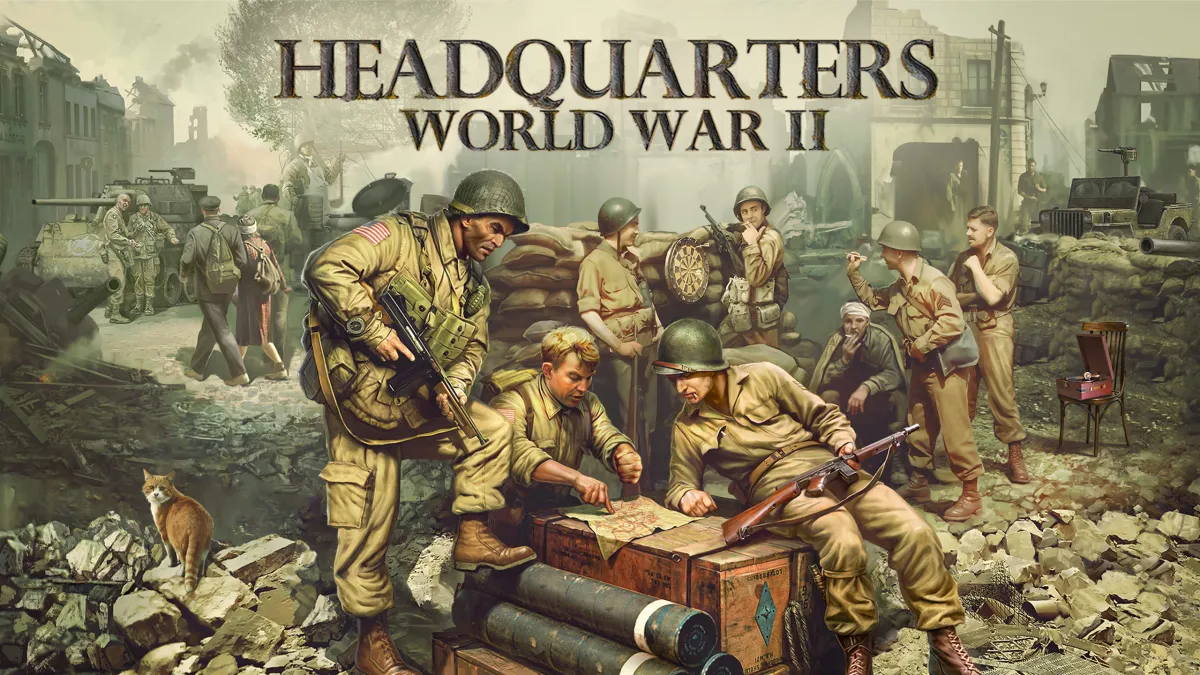 Photo: World War II, via cdn1.epicgames.com
Suddenly, clothing was cheap enough that repairing it stopped making economic sense. Why pay $8 to have a zipper replaced when a whole new jacket costs $22? The logic is sound in the short term. The consequences, accumulated over decades, are staggering.
Americans now buy roughly five times as many clothes as they did in 1980. The average garment is worn somewhere between seven and ten times before it's discarded. The fast-fashion industry produces an estimated 92 million tons of textile waste globally every year. Closets are larger than ever and somehow still feel inadequate.
The quality collapse is real too. Modern mass-market clothing is largely made from synthetic blends designed to be inexpensive to produce, not durable in use. Fabrics pill after a few washes. Seams separate. Colors fade. The garment is engineered, whether intentionally or not, to be replaced.
What We Lost Beyond the Fabric
The shift from durable to disposable clothing wasn't just a change in shopping habits. It changed how Americans thought about objects, ownership, and value.
When your coat cost two weeks' salary, you had a relationship with it. You knew when you bought it, where you wore it, what it had seen. Clothing carried memory. A grandfather's wedding suit. A mother's church dress. A work jacket worn soft over thirty years of winters. These weren't just garments — they were artifacts of a life.
There's something sociologists call object attachment — the way humans form meaning around physical possessions that have history and continuity. Fast fashion systematically destroys the conditions that allow that attachment to form. You can't feel attached to a $12 blouse you bought on impulse and forgot about.
The craft knowledge is disappearing too. Fewer Americans under 40 know how to sew on a button correctly, let alone alter a hem or repair a lining. The skills that once kept clothing in circulation for decades have become exotic, associated with either high-end tailoring or niche hobbyist communities, not everyday life.
The Trunk in the Attic Knows Something We've Forgotten
There's a small but growing countermovement. Vintage clothing resale has exploded, driven partly by sustainability concerns and partly by a genuine appreciation for how well older garments were made. Thrift stores and estate sales surface wool overcoats and leather dress shoes that have outlasted everything manufactured in the last twenty years. Young people are learning to sew again, to mend rather than replace, to buy fewer things of better quality.
It's a niche shift against a massive industrial tide. But it reflects something real — a recognition that the old approach to clothing had a logic to it that we abandoned too quickly.
The suit in the attic didn't just survive because it was well-made. It survived because the person who bought it thought of it as something worth keeping. That's the part that's hardest to get back.